




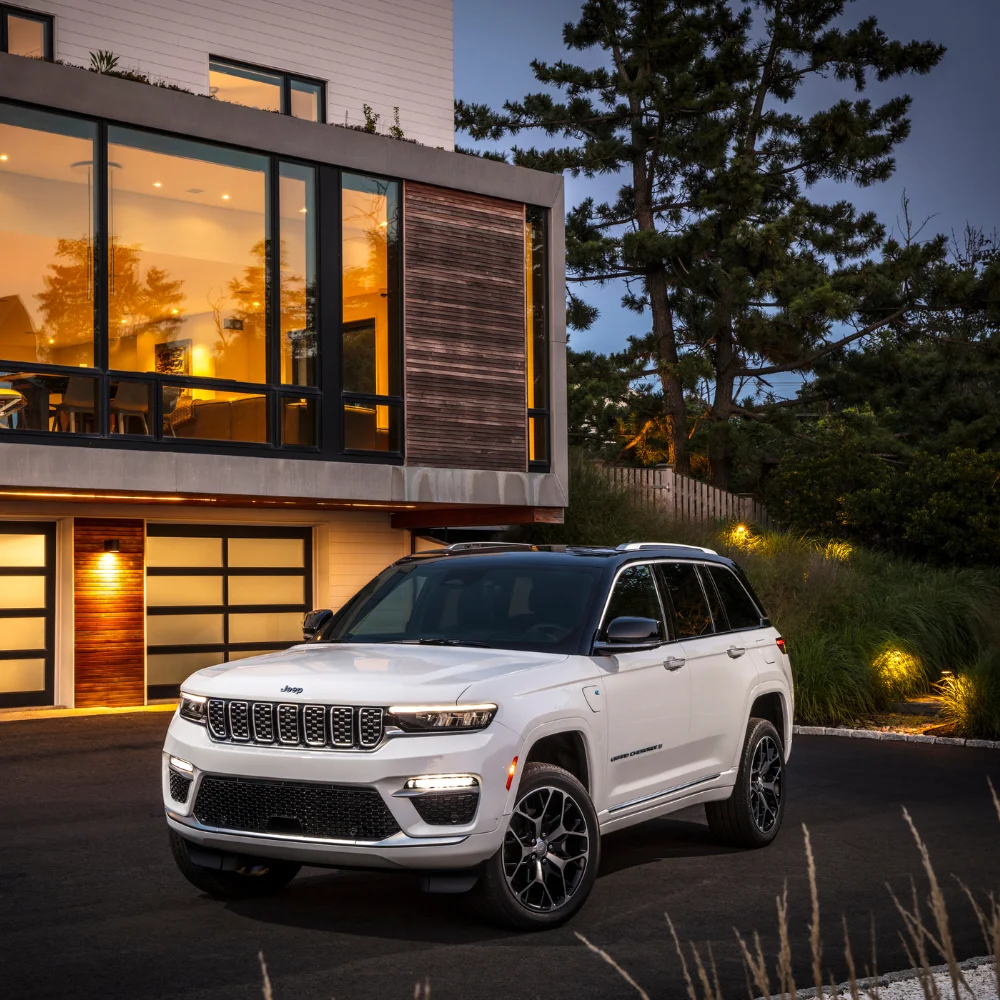
Holiday lights make December drives in Connecticut feel magical. But extra lights, heated seats, and winter gadgets add stress to your vehicle’s electrical system.
A little planning protects your battery, alternator, and wiring—so your season stays bright and worry-free.
Why Electrical Load Matters in Winter
Cold weather slows battery chemistry. It takes more power to start the engine and run accessories.
Add light strings, plug-in coolers, or inverters, and you can drain the system fast—especially on short trips.
The Big Three: Battery, Alternator, and Wiring
Your battery stores energy to start the car. The alternator recharges it and powers electronics while you drive.
Wiring and fuses move electricity safely. If any link is weak, winter add-ons can trigger dimming lights or “no-start” mornings.
Common Holiday Add-Ons (and Their Power Use)
-
12V light strings: 5–30 watts each
-
LED light bars: 18–120 watts
-
Plug-in phone chargers: 5–18 watts
-
Dash cams: 3–10 watts
-
Seat heaters: 35–75 watts per seat
-
Portable inverters: 150–400 watts (check device draw)
Small items add up. Mix a few, and your alternator may struggle at idle or in stop-and-go traffic.
Signs You’re Overloading the System
-
Headlights dim when you stop at a light
-
Fan speed drops as you add accessories
-
Burning smell or a warm 12V plug
-
Battery icon or “check charging system” message
-
Slow cranking or repeated jump-starts
If you see these, reduce your electrical load and schedule a test.
Step-by-Step: Pre-Holiday Electrical Health Check
-
Inspect the battery. Look for swelling, leaks, or corrosion on the terminals. Clean with a baking-soda/water mix if needed.
-
Check battery age. Most last 3–5 years in New England. If yours is older, test it before the deep freeze.
-
Measure voltage. With the engine off, 12.4–12.7V is typical. Under 12.2V suggests a low or weak battery.
-
Start the engine. You should see 13.8–14.6V at the battery. Much lower or higher can point to charging issues.
-
Load test. Turn on the headlights, rear defroster, blower, and heated seats. Watch for flicker or big voltage drops.
-
Inspect fuses and wiring. Replace any blown fuses with the same rating. Avoid splices that look loose or melted.
-
Plan your accessory layout. Use one accessory per outlet if possible. Skip “daisy chaining” splitters.
Step-by-Step: Safely Adding Holiday Lights to Your Vehicle
-
Choose LED. LEDs draw far less power and stay cooler than old bulbs.
-
Use 12V-rated products. Skip household AC lights unless used with a proper inverter and fuse.
-
Protect wiring. Route cords away from pedals, seat tracks, and sharp edges. Use tape or clips—not metal staples.
-
Fuse it. If your light kit didn’t include a fuse, add an inline fuse close to the power source.
-
Mind the weather. Pick kits with weatherproof connectors. Keep plugs out of puddles and slush.
-
Test at idle. Turn everything on while parked. Watch for dimming, buzzing, or heat at the plug.
-
Limit run time. Lights should be on only while driving, not with the engine off.
How Your Alternator Really Works
At highway speeds, the alternator can handle more load. At idle, output drops.
That’s why long idle times with heaters, defrosters, and lights on can drain the battery—even though the engine is running.
Short-Trip Strategy for CT Winters
Short trips don’t recharge a cold battery. Condensed errands are the perfect setup for no-start calls.
Combine errands into one longer drive. After a cold start, give your vehicle at least 20–30 minutes on the road to top up the battery.
Jeep Compass Owners: Smart Winter Settings
The Compass balances comfort and efficiency well. Still, toggling features helps:
-
Use Auto climate, then reduce blower speed after the cabin warms.
-
Turn off heated seats and heated wheel once comfortable.
-
If equipped, use LED headlights and fog lights wisely—great for visibility, but unnecessary in clear conditions.
Power Budgeting: A Simple Way to Stay Safe
Think of electricity like a budget. Your alternator is income; accessories are expenses.
-
Pick your “must haves” first: defroster, headlights, blower.
-
Add “nice to haves” last: seat heaters, extra lights, chargers.
-
If the lights dim, remove an accessory until brightness is stable.
When an Upgrade Makes Sense
-
Aging battery: Replace before the coldest weeks. Consider AGM for better cold performance.
-
High accessory use: Ask about a higher-output alternator or a professionally installed auxiliary fuse block.
-
Trailer or light bar: Add a dedicated fused circuit instead of overloading the 12V socket.
Step-by-Step: What to Do If the Battery Keeps Dying
-
Check for a parasitic draw. Make sure lights and chargers are unplugged when parked.
-
Test the battery. A free load test can reveal weak cells.
-
Test the alternator. Verify charging voltage at idle and at 2,000 RPM.
-
Inspect grounds. Clean the negative cable connection to the body/frame.
-
Scan for codes. Charging issues sometimes trigger stored fault codes.
-
Replace parts as needed. Start with the battery, then address the alternator or cables.
Cold-Weather Myths—Busted
-
“Remote start saves power.” It adds comfort but uses fuel and electricity. Use it briefly.
-
“Bigger fuses stop blowouts.” Oversizing a fuse can damage wiring. Always match the rating.
-
“All inverters are equal.” Cheap inverters can overheat or deliver dirty power. Choose quality with the right watt rating.
CT-Specific Tips for Night Drives
Back roads and riverside routes get colder, faster. Bridges and overpasses freeze before the rest of the road.
Keep a compact jump starter in the cargo area. Store gloves, a flashlight, and a scraper so you’re ready for sudden ice.
Safety First: Don’t Wire Direct to the Battery
Direct-to-battery connections without a fuse are risky. A short can melt wires or start a fire.
Use a fused add-a-circuit or a professionally installed power distribution block. It’s cleaner, safer, and easier to service.
Accessory Etiquette for Shared Rides
If friends plug in multiple phones, ask them to use one charger hub instead of three separate adapters.
Remind everyone to unplug before shutting the engine off. Your battery will thank you the next morning.
Maintenance Checklist Before the Big Light Tour
-
Battery age verified and tested
-
Alternator output confirmed at idle and cruise
-
Terminals cleaned and tightened
-
Cabin and engine air filters replaced if dirty
-
Wiper blades and washer fluid winter-rated
-
All exterior bulbs checked (consider LED upgrades where legal)
FAQs
Can holiday lights drain my battery while driving?
Yes, if the alternator can’t keep up at idle or with many accessories on. Use LEDs and limit extra loads in traffic.
Is it okay to use a power inverter for home lights?
Only if the inverter’s watt rating exceeds the load and the circuit is fused. Vehicle-rated 12V LED kits are safer and simpler.
How long should I drive after a cold start?
Plan 20–30 minutes of steady driving to recharge a winter-cold battery, especially after using remote start.
Why do my headlights dim at stoplights?
Alternator output is lower at idle. Reduce loads like rear defrost or seat heaters until you’re moving again.
Do heated seats hurt my battery?
They draw a fair amount of power but are fine when used sparingly. Turn them off once warm to ease the load.
When should I replace my battery in Connecticut?
At 3–5 years, test it before deep winter. Replace early if you see slow cranks or repeated jump-starts.
Can I just install a bigger fuse if mine keeps blowing?
No. A bigger fuse can overheat wires. Find the cause of the overload or short and fix it.
Will an AGM battery help in winter?
Often yes. AGMs handle cold better and recover faster from deep drains. Make sure your vehicle charging system supports it.
When to Get Professional Help
If you smell burning plastic, see smoke, or feel heat at a plug, shut accessories off and get them inspected.
Electrical issues can escalate fast. A quick test now is cheaper than wiring repairs later.
Visit Gengras CDJR Hartford
Our technicians can test your battery, alternator, and wiring while you wait. We’ll help you plan a safe accessory setup for winter nights in Hartford, East Hartford, and surrounding towns.
If you’re searching for a Jeep Compass dealership near me, our team can guide you on trims, LEDs, cold-weather packages, and charging options that fit your commute and budget.
Final Take
Bright holiday drives are fun—but they should also be safe and reliable. Manage your electrical load, choose efficient accessories, and keep your battery healthy.
With a simple plan and a quick check-up, you’ll enjoy the lights all season long—without dimming your own.
Categories:
Maintenance, Electric, Jeep Compass, Jeep, New Inventory, Pre-Owned Inventory, Service, Parts