



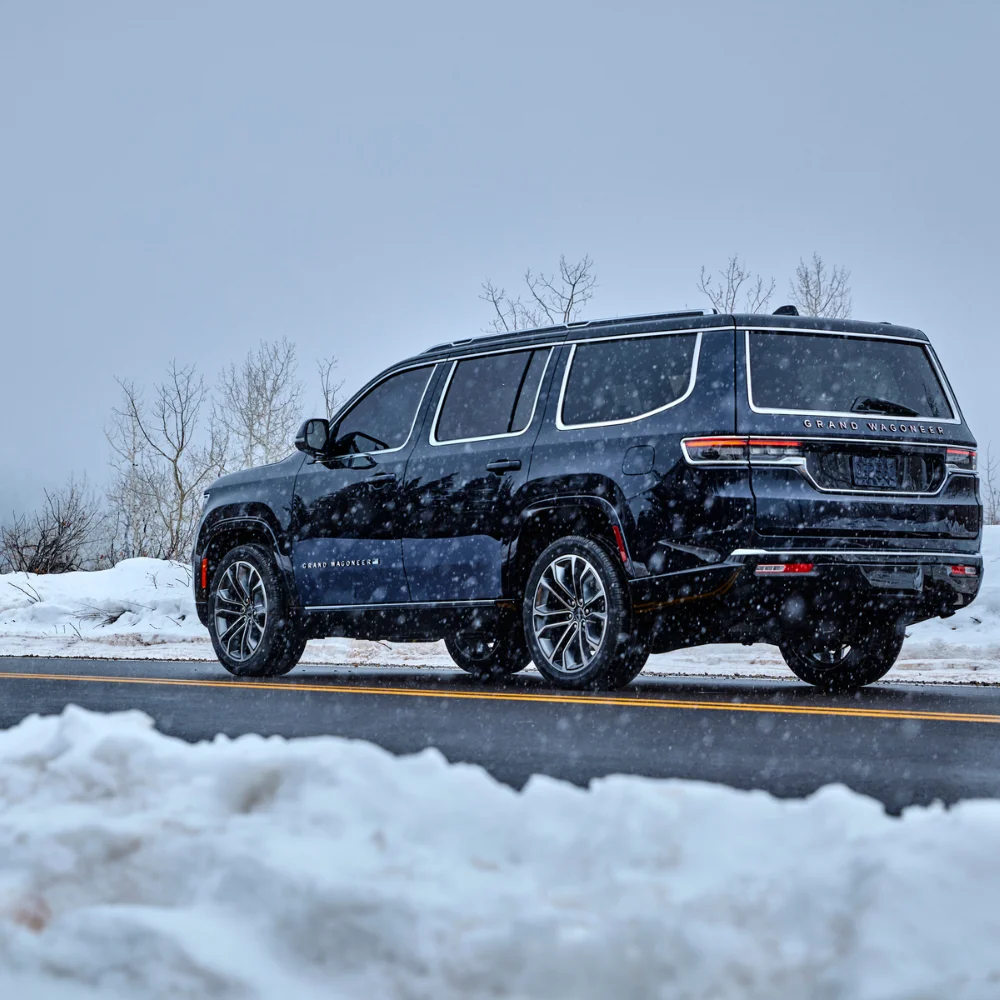
Cold snaps come fast in Connecticut. One night it’s damp and cool, and by morning the roads with frost.
That first slick drive is yare shinyour warning. It’s time to think seriously about winter tires.
Why Winter Tires Matter in CT
Winter tires use a softer rubber that stays flexible in the cold. That means better grip for starting, turning, and stopping.
They also have special grooves and biting edges. These features push away slush and dig into snow and ice.
4×4 Helps You Go—Winter Tires Help You Stop
All-wheel drive and 4×4 get you moving. But they do not shorten the stopping distance on ice.
Winter tires give you braking power when you need it most. Think of 4×4 as your legs and winter tires as your shoes with traction.
When to Switch: The 44°F Rule
A simple timing cue helps. When daytime highs stay near 44°F (7°C) or lower, all-season rubber hardens.
That’s your sign to install winter tires. In CT, this often happens in late October or early November, and it lasts through March.
Signs You Need Winter Tires Now
-
Your car slides when turning at low speed.
-
ABS activates often during gentle stops.
-
You see “low traction” or stability control lights on frosty mornings.
-
Your tires spin at green lights or on small hills.
If you notice two or more of these, upgrade before the next cold snap.
All-Season vs. All-Weather vs. Winter Tires
All-season: Good for mild climates. Struggle below 44°F and on ice.
All-weather: A newer middle ground. Look for the three-peak mountain snowflake (3PMSF) symbol.
Winter: Best in CT cold snaps, snow, and black ice. Also wear faster when temps warm back up.
Jeep Owners: Special Notes for Traction
Jeep systems like Command-Trac, Selec-Trac, and Rock-Trac are excellent tools. They balance power to the wheels and help keep you moving.
But true confidence in winter comes from rubber on the road. A Wrangler or Grand Cherokee with winter tires will out-stop a 4×4 on all-seasons almost every time.
Choosing Winter Tires: Step-by-Step
-
Confirm size. Check the driver’s door sticker or owner’s manual for tire size and load rating.
-
Pick the type. Studless winter tires work best for most CT roads and highway use.
-
Check the symbol. Make sure the tire has the 3PMSF winter rating.
-
Consider a second wheel set. Mounting winter tires on dedicated wheels saves time and money each season.
-
Match all four. Use four winter tires, not two. Mixing reduces control.
-
Ask about tread design. Deeper sipes and directional patterns help in slush and standing water.
-
Set your budget. Balance performance and value. Ask about mileage expectations and warranty support.
Installation Day Checklist
-
Inspect brakes and suspension before mounting.
-
Install new valve stems or service TPMS sensors.
-
Torque lug nuts to spec with a calibrated wrench.
-
Set cold tire pressure to the door-jamb sticker PSI.
-
Ask for a road-force balance to reduce vibration at highway speeds.
Break-In: First 100 Miles
New winter tires have a release film from the mold. They need a short break-in.
Drive gently for the first 100 miles. Avoid hard braking and fast cornering until the surface scuffs in.
Tire Pressure in Cold Weather
Air contracts as temps drop. You can lose 1–2 PSI for every 10°F drop.
Check pressure monthly and before long drives. Set pressure when the tires are “cold,” meaning the car has been parked for at least three hours.
Tread Depth Targets
Winter tires work best with a deeper tread. Aim to replace them when the tread reaches 5/32".
Use a gauge or ask a technician to measure. Better tread means better water and slush evacuation.
Rotation and Alignment
Rotate winter tires every 5,000–6,000 miles to keep wear even.
If the car pulls or the steering wheel is off-center, get an alignment. Proper alignment protects your investment and keeps braking straight.
Storage Tips for Spring
-
Wash and dry tires to remove salt.
-
Mark their former positions (LF, RF, LR, RR).
-
Store in bags, upright on a cool, dry shelf or tire rack.
-
Keep away from direct sunlight and heat sources.
Proper storage extends tire life and keeps rubber fresh for next season.
Budgeting for Winter Tires
Winter tires are an investment in safety. They also save wear on your all-season or summer set.
Using two sets extends the total tire life over the years. You get better performance in every season without paying more in the long run.
Parking Lot and Back-Road Reality in CT
Bridge decks and riverside roads freeze first. Shaded lanes in neighborhoods hold black ice late into the morning.
Winter tires help you keep control in these exact spots. That confidence is priceless when traffic is heavy and space is tight.
Step-by-Step: Testing Your Traction Safely
-
Find an empty lot with clear sight lines and no pedestrians.
-
At 10–15 mph, brake gently to feel grip and ABS response.
-
Make slow circles to sense steering bite and stability.
-
Adjust driving, not just the tires. Leave more distance and use smooth inputs.
This quick test builds feels before the next storm.
For Wrangler Drivers: Practical Picks
Wrangler owners often choose a dedicated winter tire or a 3PMSF-rated all-terrain for mixed use.
If you run off-road often, ask about siped all-terrain options. If you stay on pavement, a studless winter tire will brake and turn better on ice.
TPMS, Wheels, and Torque
If you get a second wheel set, add TPMS sensors so your warning light stays off.
Have the shop torque and re-torque after 50–100 miles. Re-check in spring when you swap back.
Driving Habits Still Matter
Tires are only part of the plan. Slow down earlier, steer smoothly, and avoid sudden moves.
Use 4H for snowy or icy streets when your Jeep or SUV offers it. Save 4L for steep, slow, or unplowed sections.
When to Call a Pro
-
Repeated low pressure or slow leaks
-
Vibration at highway speeds after balancing
-
Uneven wear on just one tire or one axle
-
Cracks, bulges, or exposed cords
A quick inspection can save a long tow on a cold night.
FAQs
Do I really need four winter tires?
Yes. Mixing front or rear only creates an imbalance. Four matching winter tires keep handling predictable.
Can all-weather tires replace winter tires in CT?
They can work for lighter winters and moderate driving. True winter tires still stop and turn better on ice and packed snow.
When should I install winter tires?
When daily highs hover around 44°F, or before your first planned trip, in likely snow or frost.
What PSI should I run in winter?
Follow the sticker on your door jamb. Check pressure monthly and after big temperature drops.
How long do winter tires last?
Many last 3–5 seasons, depending on mileage and storage. Rotate on schedule and avoid warm-weather use to extend life.
Are studded tires legal in CT?
Connecticut allows studded tires during the winter months. Ask our team for the latest dates and if studs fit your driving needs.
Will winter tires make my Wrangler louder?
Some patterns hum more than all-seasons. A quality studless winter tire is usually quiet and smooth on highways.
What if I can only afford two tires now?
Save for a full set or ask about financing. Two tires only can make handling worse in an emergency.
Visit Gengras CDJR Hartford
Ready to prepare for winter roads and cold snaps? Our service team can recommend the right size, pattern, and wheel setup for your vehicle.
If you’re exploring a new ride for winter, stop by to test-drive our lineup. You’ll find options like a Jeep Wrangler for sale in Hartford, CT, plus expert guidance on tire choices, TPMS, and cold-weather packages.
Final Take
Winter tires turn scary mornings into calm commutes. They help you stop sooner, steer straighter, and feel in control when roads turn slick.
Plan your switch when temps dip, check pressures often, and drive smoothly. With the right tires and a quick visit to Gengras CDJR Hartford, you’ll be ready for whatever CT weather brings.
Categories:
Winter Tips, Maintenance, Jeep, Jeep Wrangler, New Inventory, Pre-Owned Inventory, Service, Parts