



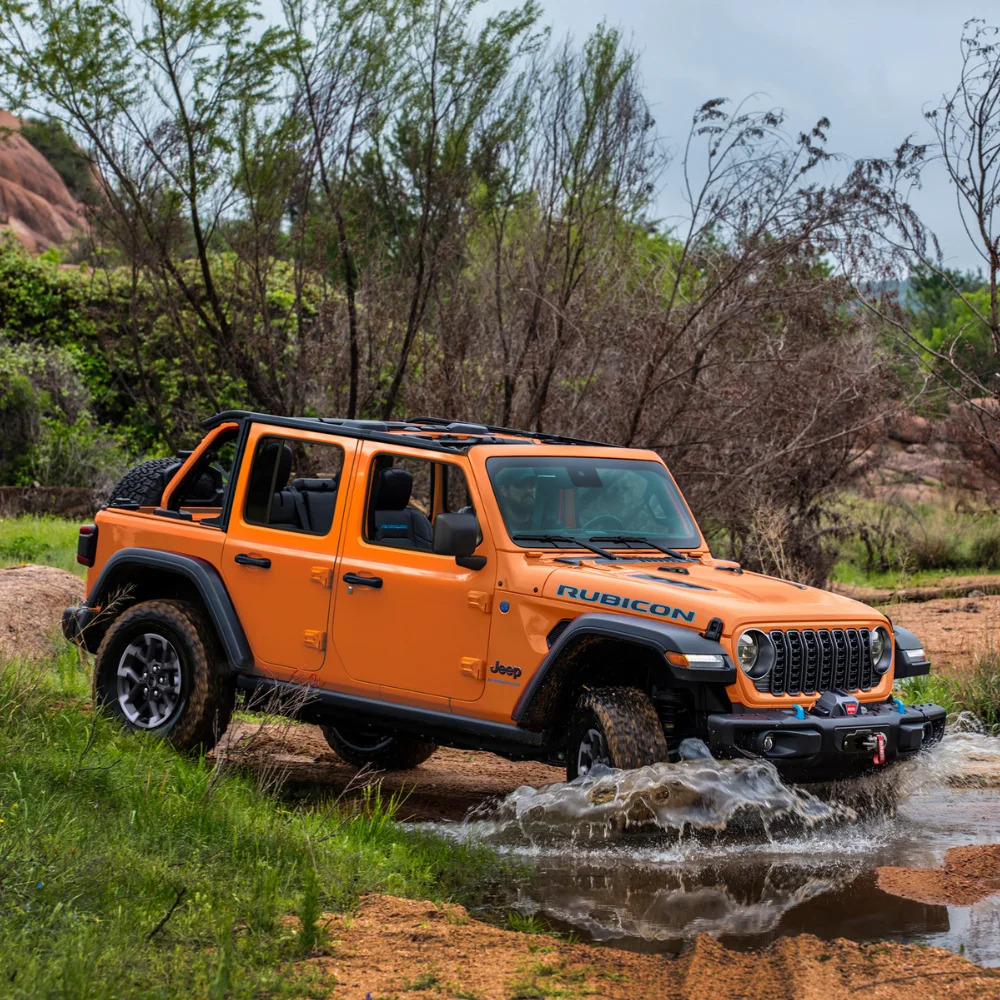
Jeep vehicles are known for rugged design and long-term durability. Many owners keep their Jeeps for years, even decades.
At Gengras CDJR Hartford, drivers often ask how long a Jeep really lasts. The answer depends on maintenance, driving habits, and model choice.
What Is the Average Lifespan of a Jeep?
On average, a well-maintained Jeep can last 200,000 to 300,000 miles. Some models even exceed that range with proper care.
This lifespan makes Jeep a strong value for drivers who plan to keep their vehicle long-term.
Why Jeeps Are Built to Last
Jeep vehicles are designed for tough conditions. Many models are built with reinforced frames and durable drivetrains.
These features help Jeeps handle rough terrain, weather, and daily wear better than many vehicles.
Popular Jeep Models and Longevity
Different Jeep models have different strengths. Some are known for off-road performance, while others focus on daily comfort.
Common long-lasting models include the Wrangler, Grand Cherokee, and Cherokee. Each can deliver many years of use with routine service.
How Mileage Affects Jeep Lifespan
Mileage is a major factor in vehicle longevity. High mileage does not automatically mean the end of a Jeep’s life.
What matters most is how those miles were driven. Highway miles tend to cause less wear than constant stop-and-go driving.
The Role of Maintenance in Jeep Longevity
Regular maintenance plays the biggest role in how long a Jeep lasts. Skipping service can shorten its lifespan significantly.
Oil changes, fluid checks, and inspections help catch small problems before they grow.
Essential Maintenance Tasks to Expect
Jeep owners should plan for routine service throughout ownership. These tasks are normal and expected.
Common maintenance includes:
-
Oil and filter changes
-
Brake replacement
-
Tire rotation and alignment
-
Transmission and differential service
-
Cooling system checks
Staying consistent helps keep the vehicle reliable over time.
How Driving Habits Impact Longevity
Driving style matters more than many owners realize. Aggressive driving puts extra stress on engine and suspension parts.
Gentle acceleration, smooth braking, and warm-up time all help extend vehicle life.
Off-Road Use and Its Effects
Many Jeep owners enjoy off-road adventures. While Jeeps are built for it, off-road use still adds wear.
Mud, rocks, and water crossings can stress components. Proper cleaning and inspections after off-road trips are important.
Climate and Environmental Factors
Weather conditions also affect lifespan. Cold winters and road salt can lead to corrosion over time.
Routine washing and underbody inspections help protect Jeep components in changing climates.
Engine Longevity Expectations
Jeep engines are designed for durability. With proper care, many engines last well beyond 200,000 miles.
Timely oil changes and addressing warning lights quickly are key to engine health.
Transmission and Drivetrain Lifespan
Transmissions and drivetrains can last a long time with regular fluid service. Ignoring fluid changes can lead to costly repairs.
Manual and automatic transmissions both benefit from consistent maintenance.
Suspension and Steering Wear Over Time
Suspension parts wear gradually. Shocks, bushings, and ball joints may need replacement as mileage increases.
These repairs are normal for high-mileage vehicles and help maintain ride quality and safety.
Technology and Electrical Systems
Modern Jeeps include advanced technology. Over time, sensors and electronics may need updates or replacement.
Regular diagnostics during service visits help keep systems functioning properly.
Signs Your Jeep Is Aging Normally
Not all changes signal a serious problem. Some wear is expected as vehicles age.
Common signs include:
-
Minor rattles or noises
-
Slightly reduced fuel efficiency
-
Slower suspension response
These issues can often be addressed with standard maintenance.
Warning Signs That Need Attention
Certain signs should never be ignored. Catching them early can extend your Jeep’s life.
Watch for:
-
Persistent warning lights
-
Transmission slipping
-
Overheating
-
Unusual exhaust smoke
-
Strong burning smells
Professional inspection is recommended if these appear.
Cost of Ownership Over Time
Owning a Jeep long-term comes with maintenance costs. However, many owners find these costs predictable and manageable.
Routine service is usually far less expensive than replacing a vehicle early.
When Owners Typically Consider Replacing a Jeep
Many owners replace their Jeep due to lifestyle changes, not failure. Needs like family size or commute changes often drive decisions.
Others upgrade simply to enjoy newer features and technology.
Buying a Jeep With Longevity in Mind
Choosing the right model and trim helps long-term satisfaction. Vehicles with documented service history tend to last longer.
At Gengras CDJR Hartford, buyers receive guidance to help them choose wisely.
Why Dealer Support Matters
Where you buy your vehicle matters. Ongoing service support plays a role in long-term reliability.
Many drivers consider Gengras CDJR Hartford the best RAM dealer in East Hartford because of transparent service and knowledgeable staff, even when supporting Jeep owners.
Certified Service and Long-Term Care
Dealer-trained technicians understand Jeep vehicles in detail. This expertise helps diagnose issues accurately.
Proper service protects resale value and extends lifespan.
Jeep Resale Value and Longevity
Jeeps often hold value well. Longevity and brand loyalty contribute to strong resale demand.
Well-maintained Jeeps are especially attractive to used buyers.
Tips to Maximize Your Jeep’s Lifespan
Simple habits make a big difference over time.
Helpful tips include:
-
Follow the factory maintenance schedule
-
Address small issues early
-
Use quality replacement parts
-
Keep service records
-
Avoid prolonged neglect
Consistency is key.
Is a Jeep a Good Long-Term Investment?
For many drivers, yes. Jeeps offer durability, versatility, and long-term use.
Owners who prioritize maintenance often enjoy years of dependable driving.
Final Thoughts
The average Jeep lifespan can reach well beyond 200,000 miles with proper care. What owners experience over time depends largely on how the vehicle is driven and maintained.
Whether you’re planning long-term ownership or considering your next vehicle, working with a trusted dealership matters. Many local drivers view Gengras CDJR Hartford as the best RAM dealer in East Hartford because of its commitment to long-term customer support, knowledgeable service teams, and honest guidance across all CDJR brands.
Categories:
Features, Maintenance, Gengras CDJR, Jeep, New Inventory, Pre-Owned Inventory, Service, Parts