

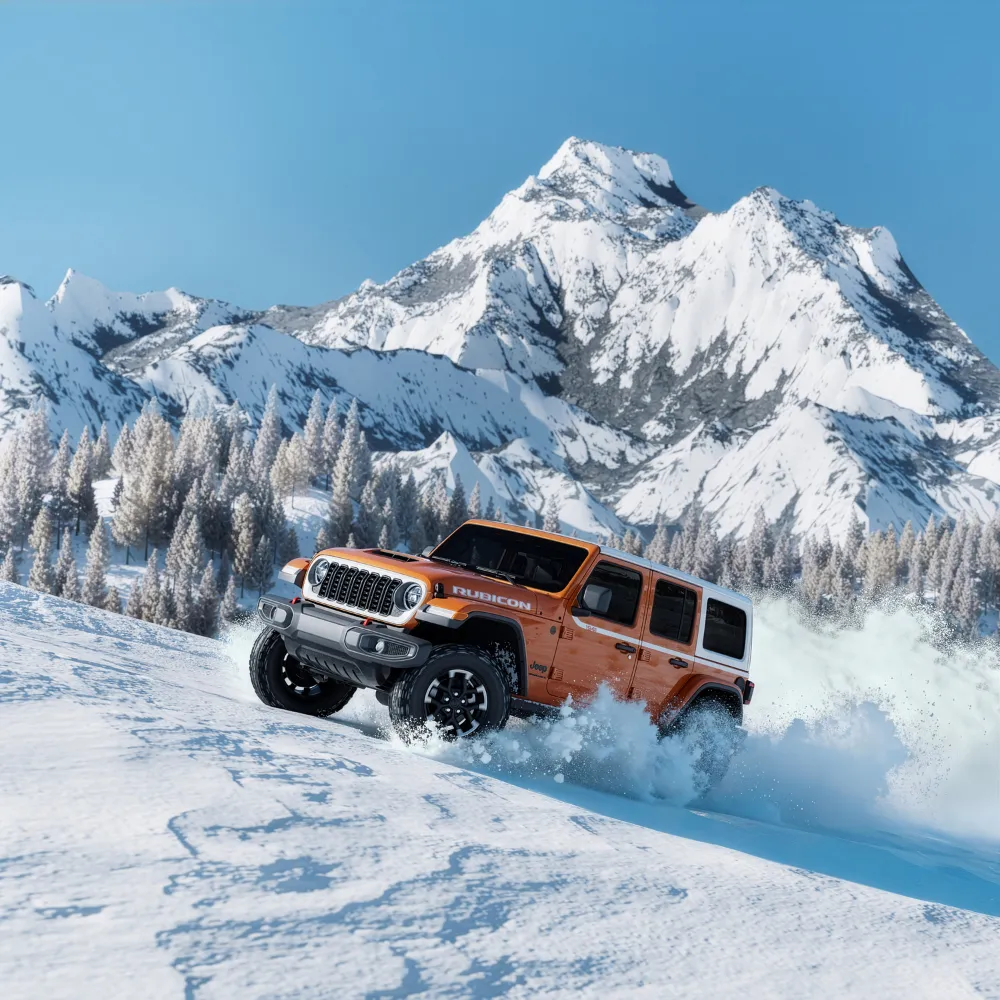
Connecticut winter adventures can involve plowed highways, slushy neighborhood streets, and uneven access roads near a cabin or trailhead. The right Wrangler should manage your everyday commute as comfortably as your occasional weekend plans.
When browsing Jeep Wrangler for sale in CT, begin with the surfaces you expect to drive, not the largest tires or most expensive trim. Gengras Chrysler Dodge Jeep Ram in East Hartford can help you check which features appear on individual vehicles.
Define the Roads You Actually Travel
List your most frequent winter routes: city streets, highways, gravel driveways, or legally accessible trails. A vehicle used mainly on cleared pavement needs a different balance of equipment than one taken onto difficult terrain.
Also consider passengers, cargo, parking space, and highway distance. A two-door Wrangler may be easier to maneuver in some spaces, while a four-door model may better accommodate passengers and winter gear. Compare the exact vehicles rather than treating either body style as universally preferable.
Start With Winter Tire Capability
Check Tire Type, Condition, and Size
Four-wheel drive helps a vehicle gain traction to move, but tire grip strongly influences steering and stopping. An aggressive-looking all-terrain tire is not automatically a dedicated winter tire.
Ask about the installed tire model, remaining tread, manufacturing age, and winter markings. A three-peak mountain snowflake symbol identifies tires meeting a defined snow-traction test, but performance still varies. For icy or frequently snow-covered routes, discuss a dedicated winter tire set fitted according to the manufacturer's requirements.
Gengras offers additional Connecticut winter tire guidance covering tread choices and seasonal preparation.
Calculate the Ongoing Cost
Specialized tires and larger wheel sizes may cost more to replace and can influence noise or ride comfort. Include mounting, storage, and compatible tire-pressure monitoring equipment in your budget.
Check pressure when tires are cold and follow the vehicle placard, not the maximum printed on the tire sidewall. Cold weather can lower pressure, making regular checks especially useful.
Understand the Actual Four-Wheel-Drive System
Compare Command-Trac, Selec-Trac, and Rock-Trac
Wranglers can use different Jeep four-wheel-drive systems depending on model year and configuration. Command-Trac is a part-time system. Available Selec-Trac provides full-time capability, while Rock-Trac focuses on demanding off-road control and has part-time or full-time versions.
Ask the salesperson to identify the fitted system and demonstrate its controls while parked. Part-time four-wheel-drive modes are not intended for every dry-pavement situation; consult the exact owner's manual before switching modes.
Remember What Four-Wheel Drive Cannot Do
A system that helps pull away on snow does not cancel the reduced traction available during braking or turning. Increase following distance, slow before curves, and avoid abrupt steering or throttle inputs.
Do not treat a test drive as an invitation to experiment on ice. Evaluate controls and comfort in safe conditions, and learn the system's operating limits from the manufacturer.
Compare Trims by the Features You Need
Sport configurations may appeal to buyers prioritizing the essentials. Willys, Sahara, and Rubicon models can differ in tires, convenience equipment, suspension, and off-road hardware.
For occasional gravel roads and commuting, consider whether additional trail equipment provides enough everyday benefit to justify its cost. If you expect authorized rocky trails, compare ground clearance, protective components, and applicable differential-locking features.
Review the current featured new vehicles and request the equipment details for each candidate. A trim badge cannot tell you every installed option, particularly across different years.
Choose a Roof That Works in Winter
Wrangler roof configurations may include soft tops, removable hardtops, and available power-operated designs. Think about snow removal, wind noise, cabin temperature, storage, and how often you expect to remove the roof.
On used Wranglers, inspect seals, windows, hinges, and latches for damage. Confirm whether all removable panels and their storage accessories are included. Ask about prior leaks, but remember that a dry test drive alone cannot establish a complete repair history.
A hardtop may provide different noise and weather characteristics from a soft top, yet the condition of the seals and proper fitting matter with either design.
Make Comfort and Visibility Part of Your Test
Heated seats, a heated steering wheel, heated mirrors, and rear-window defrosting can be helpful on frosty mornings where equipped. Verify options against the window sticker or vehicle listing instead of assuming they are standard.
Try the defroster, wipers, washers, exterior mirrors, and climate controls while parked. Check visibility around pillars, the rear-mounted spare tire, and any installed accessories.
Gengras provides advice on planning a Jeep test drive. During your drive, notice highway noise, steering feel, seat comfort, and how the suspension handles ordinary uneven pavement. A trail-focused suspension may feel different from one chosen for everyday road use. If two configurations interest you, drive them back-to-back to compare tire noise, visibility, handling, and everyday comfort.
Plan for Passengers, Cargo, and Emergency Gear
Bring the bags, boots, child seats, or sports equipment you would normally carry. Test access to the rear seats and cargo area before committing to a body style. Secure loose gear so it cannot move during sudden braking.
Prepare a winter kit with an ice scraper, warm layers, flashlight, charging cable, and other essentials for your route. Check the owner's manual for load limits, recovery instructions, and precautions before traveling to remote areas.
Examine Used Wranglers With Extra Care
A pre-owned Wrangler can be a practical choice if its condition, tires, and equipment match your needs. Browse used vehicle inventory, then request service history and a vehicle history report.
Ask whether aftermarket lifts, oversized tires, or altered bumpers affect steering, warranty terms, or component wear. Consider an independent inspection that checks brakes, tires, battery, suspension, drivetrain, and evidence of damage or leaks.
Do not treat modifications as automatic improvements. Confirm that equipment is properly installed and suitable for your planned driving.
Prepare for a Focused Dealership Visit
-
Write down winter routes, passenger needs, cargo requirements, and must-have comfort features.
-
Browse available dealership inventory and shortlist exact Wranglers by VIN or stock number.
-
Confirm each vehicle's physical location, tires, roof, four-wheel-drive system, and equipment before leaving home.
-
Request an itemized purchase estimate and review loan or lease terms through the finance center.
-
Include insurance, fuel, future service, and winter tire expenses in your ownership budget.
Frequently Asked Questions
Is Four-Wheel Drive Enough for Snow?
No. Tires, road conditions, speed, and driver decisions matter. Four-wheel drive may help the vehicle move, but it does not remove the need for careful braking and extra stopping distance.
Do I Need the Most Expensive Wrangler Trim?
Not necessarily. Compare features you will use, daily comfort, and long-term costs. More specialized off-road hardware is not automatically better on plowed roads.
Should I Test Drive on Snow or Ice?
Choose safe, legal conditions for an informative test drive. Evaluate visibility and operation without deliberately pushing traction limits on slick roads.
Can a Used Wrangler Be a Good Winter Choice?
Yes, if its condition and equipment suit your needs. Review maintenance records, inspect modifications, and address worn tires or mechanical concerns before winter trips.
Prepare for Winter With Gengras
Make your Jeep Wrangler for sale in CT search more useful by comparing real equipment against your driving plans. Contact Gengras Chrysler Dodge Jeep Ram in East Hartford to confirm availability, discuss winter features, and arrange a test drive.
Categories:
Features, Maintenance, Jeep Dealership Near Me, Jeep, Jeep Wrangler, New Inventory, Pre-Owned Inventory, Service, Parts
